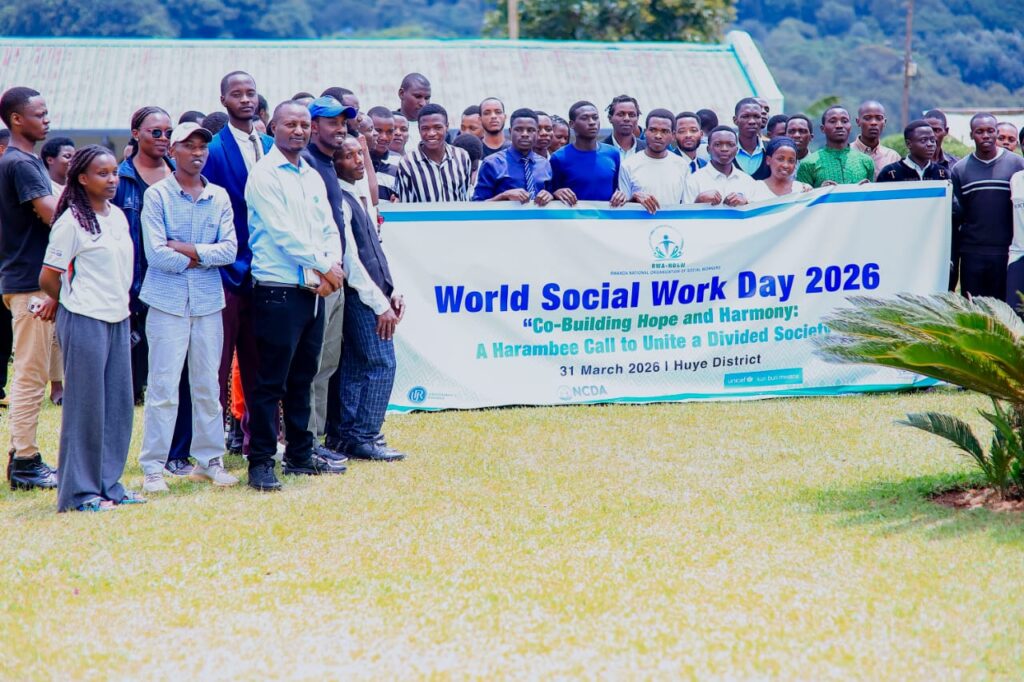
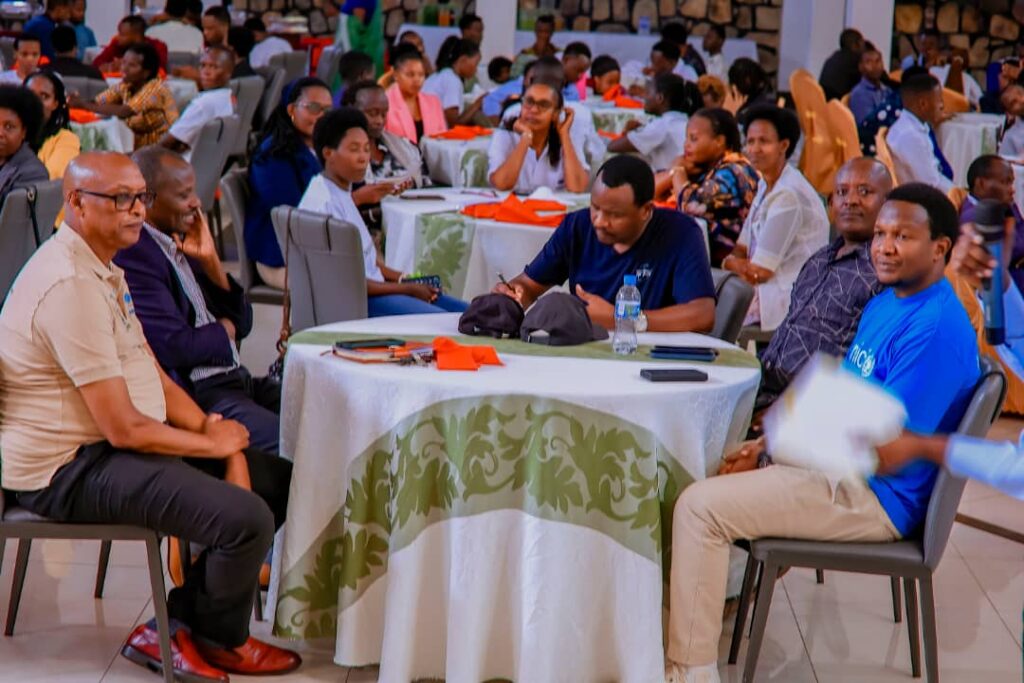
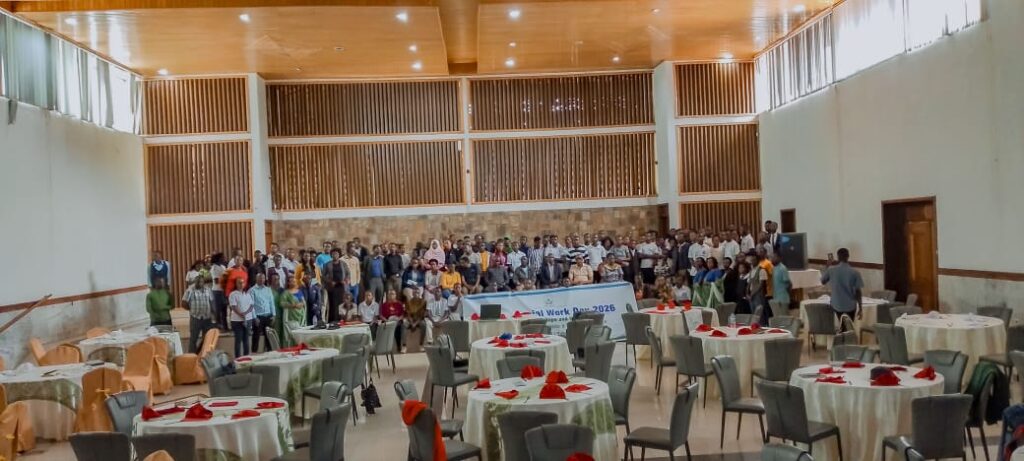
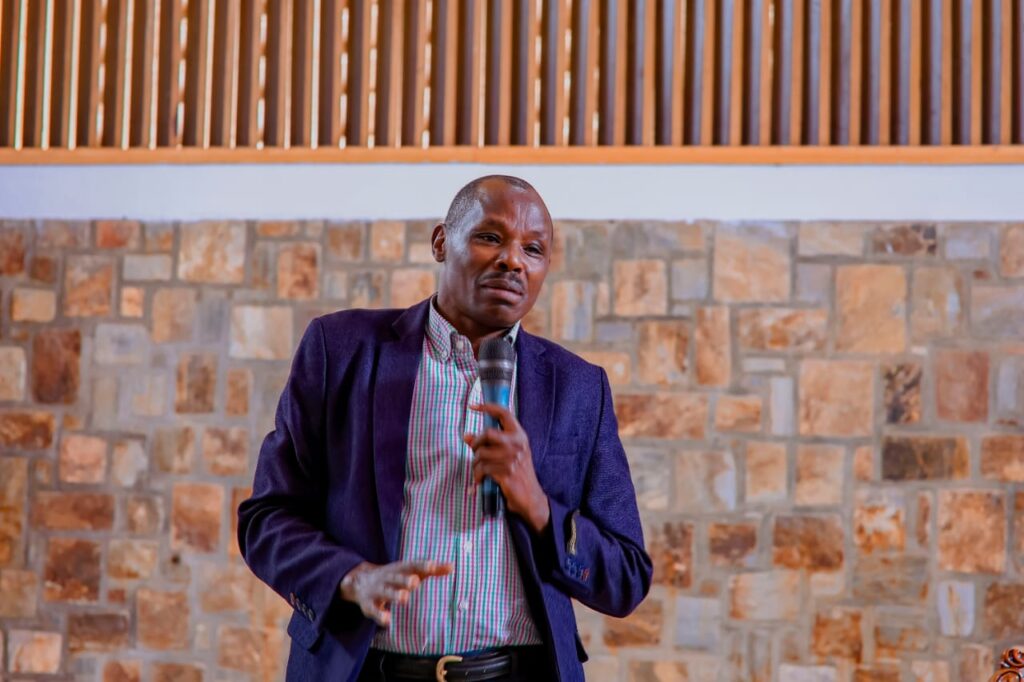
World Social Work Day 2026 Celebrated in Huye District On 31 March 2026, the Rwanda National Organization of Social Workers (RWANOSW), in collaboration with Huye District, the University of Rwanda (UR), UNICEF, social work professionals, students, lecturers, and social work institutions, successfully celebrated World Social Work Day (WSD) 2026 in Huye District. The event brought together key stakeholders in the social work sector to reflect on the profession’s contribution to community well-being and to strengthen collaboration in addressing social challenges affecting vulnerable populations. The celebration began with a community service activity at Cyarwa Memorial Center, where participants, including youth and various stakeholders, engaged in community work. This activity demonstrated the core values of social work, particularly solidarity, service, and community engagement. Following this, participants gathered at the Credo Hotel for a second session focused on discussions and knowledge sharing. Key topics addressed included: Prevention of drug abuse and teenage pregnancies The World Social Work Day 2026 theme: “Co-Building Hope and Harmony: A Harambee Call to Unite a Divided Society.” Responsible and positive use of social media Strengthening collaboration between social work students, professionals, and institutions These discussions highlighted the critical role of social workers in promoting prevention strategies, empowering communities, and fostering coordinated responses to social issues. The event concluded with closing remarks from the University of Rwanda representative, who emphasized the importance of collective action, continuous collaboration, and commitment to the values of social work in building resilient and inclusive communities. The World Social Work Day 2026 celebration in Huye District marked an important milestone in strengthening partnerships and reaffirming the role of social workers in contributing to sustainable social development in Rwanda.